

01
Discovering Business Needs
Mapping your goals, workflows, and gaps to set clear requirements.
Run your apparel brand on connected software instead of scattered spreadsheets. Our experts build and integrate PLM, ERP, and inventory systems that cut errors, speed up product development, and lift customer satisfaction.
Tech packs, samples, and approvals scattered across email and spreadsheets slow every collection down. We build fashion PLM software that holds designs, materials, and timelines in one place. Your team moves products from concept to production faster, with fewer errors along the way.
Running finance, procurement, and production on separate tools creates blind spots and double work. We develop ERP software built for the apparel industry, connecting orders, costs, and operations in one system. You get real-time numbers and decisions you can stand behind.
Overstock, stockouts, and guesswork tie up cash and frustrate buyers. Our inventory management solutions track every unit across stores, warehouses, and channels in real time. You hold the right stock in the right place and free up working capital.
When you cannot see past your first-tier supplier, delays and risks pile up. We build supply chain software that gives you visibility from raw materials to the shelf. Your team spots disruptions early and keeps production on schedule.
Disconnected online and in-store systems lead to mismatched stock and a broken customer experience. We connect your channels into one platform, so pricing, inventory, and orders stay in sync. Your shoppers get a smooth experience wherever they buy.
Inconsistent product data across catalogs, marketplaces, and your own store hurts sales and trust. Our PIM solutions centralize descriptions, images, and specs in one source of truth. You publish accurate listings everywhere, faster.
Reaching shoppers and keeping them loyal gets harder as your fashion business grows. A mobile app puts your catalog, orders, loyalty perks, and personalized offers in their pocket. You deepen engagement and lift customer satisfaction, driving higher sales.
Forecasting trends and personalizing offers by hand does not scale. By adding AI-powered features, you sharpen demand forecasting, automate sizing and recommendations, and free your team to focus on creative and strategic work.
Book a free consultation, tell us where things break down, and we will come back with a technology solution.

Connect your PLM, ERP, and e-commerce tools so data flows between them automatically.
Track stock across stores, warehouses, and channels in real time to cut overstock and stockouts.
Use AI-driven forecasting to plan inventory around real trends.
Gain visibility across suppliers to spot delays early and keep production on track.
Sync pricing, stock, and orders across channels for one seamless shopper experience.
Move designs from concept to production faster with shared tech packs and approvals.
Mapping your goals, workflows, and gaps to set clear requirements.
Turning requirements into a system structure and tech stack.
Designing key flows and validating them with clickable prototypes.
Building in iterative cycles and connecting your ERP, PLM, and APIs.
Testing data accuracy, inventory sync, security, and stability.
Launching, then refine through monitoring and user feedback.






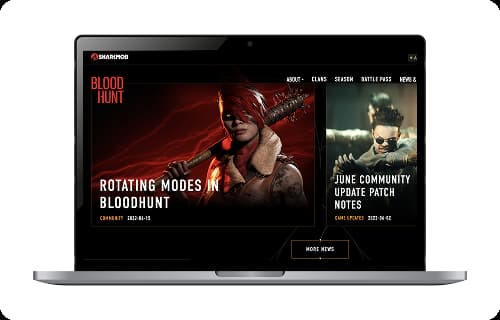
As a game developer, Sharkmob had little experience with the actual ecommerce…
Lorem ipsum dolor sit amet consectetur. Sagittis ut est sed lectus proin pulvinar auctor ut sit. Commodo ut at id lacus turpis velit amet eget est.
Context and Challenge Our client, WeSports Group, is a leading Scandinavian group of brands…
Context and Challenge Our client, WeSports Group, is a leading Scandinavian group of brands…
Lorem ipsum dolor sit amet consectetur. Sagittis ut est sed lectus proin pulvinar auctor ut sit. Commodo ut at id lacus turpis velit amet eget est.2
Context and Challenge Our client, WeSports Group, is a leading Scandinavian group of brands…

Context and Challenge Our client, WeSports Group, is a leading Scandinavian group of brands…
Get a free consultation to see how to connect design, inventory, orders, and customer data in one system.

AI helps fashion brands in four practical ways:
It depends on your goals, your processes, and how much you need to stand apart from competitors.
Off-the-shelf apparel software is often the right call when your workflows are fairly standard, you want to launch quickly, and the tool integrates cleanly with your existing systems. It costs less upfront and comes ready to use.
Custom development makes more sense when you have workflows that no product on the market supports, when integrations get complex, or when the software itself gives you a competitive edge. A growing fashion brand often outgrows generic tools and needs a system shaped around how it actually works.
In many cases, the best answer is a mix: a ready-made core with custom pieces where they matter most. If a standard solution covers your needs and saves you time and money, we will tell you honestly. Share your challenges with us, and our team will prepare a free proposal explaining the most efficient path for your specific case.
It helps in three concrete ways.
Cost depends on the scope. A focused project can be delivered within a $5,000 budget, while a complex, long-term build with deep integrations can exceed $100,000. The main drivers are the number of features, how many systems you need to connect, and the size of the team required.
We work with fashion businesses of every size, from emerging brands to established manufacturers. For an accurate breakdown, contact us with your needs, and you will receive a detailed plan with clear timelines and costs within 48 hours.
Yes, we can. Software integration service is one of our core strengths, and we connect both custom and off-the-shelf systems.




Forbytes created an app that allowed users to quickly measure themselves to be fitted for custom shirts. As a result, we could increase our speed, quality, and shirt output per week. Forbytes was dedicated to delivering a solution that accurately addressed our needs.
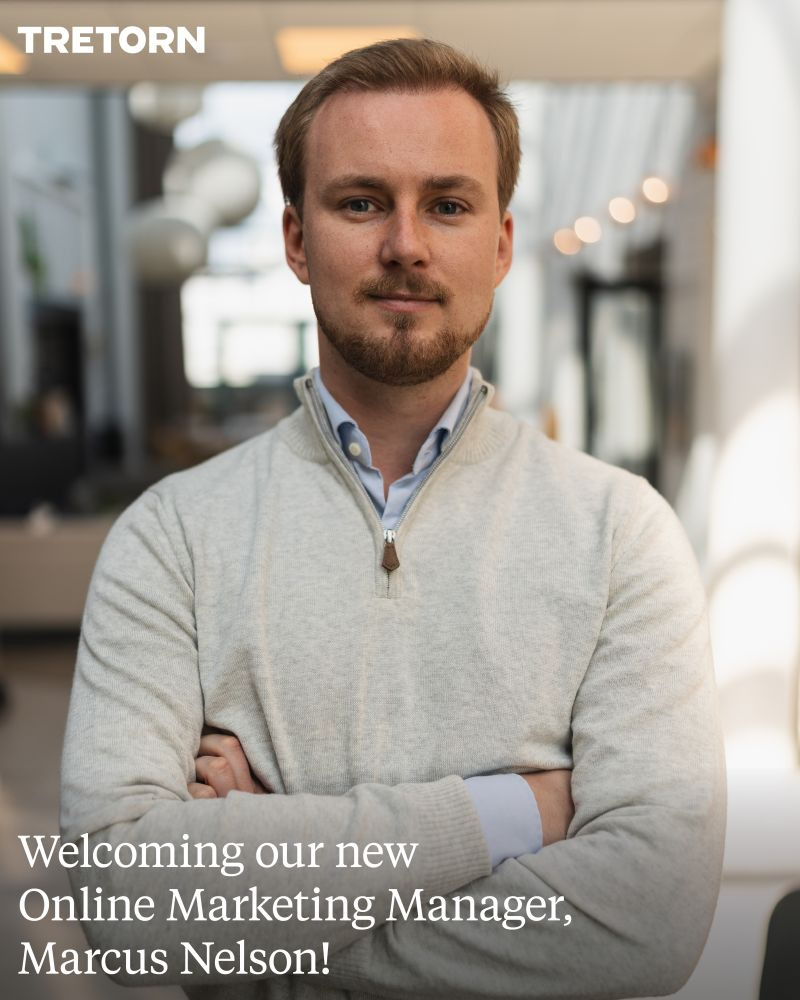
Forbytes’ engineers and team leads worked as part of our RnD group and were directly managed by our company directors. They were both proactive and adaptable, qualities that perfectly match our needs in our fast-growing and constantly evolving environment.

Forbytes has a strong process-oriented way of leading the company, with good respect for themselves and their managers. They made a choice not to become too big but build slowly on more qualified people, which is paying off.

COO & Business
Development at Offerta.se

Our e-commerce site saw online inquiries and orders rise after working with Forbytes. The team used top-notch expertise to inform their suggestions and improvements. Constant communication, quick responses, and prompt delivery made for a smooth and enjoyable collaboration.

The Forbytes team was very professional and demonstrated a great understanding of the business aspects. All tasks were completed above expectations. Their experts were always available, and we never needed to wait for a response or a suggested solution.